That is the view of The National Archives. Discs fade, drives wear out and the machines that read them go out of date. The answer is not a perfect medium but more than one copy, checked and moved on in time.
AI-generated image, not a photograph of a real person or place.
10 YEARS proven, then refresh
Keep more than one copy
Check them regularly
Move them on in time
Media wear out; copies survive
THE SHORT ANSWER
Years, not decades, for most of us.
Archives judge media on longevity, capacity, reliability, obsolescence, cost and robustness.
HARD DRIVES
Reliable, until they aren't
Most drives work for years, but archivists warn that failures do happen. The Digital Preservation Coalition says storage media and systems typically last only 3–5 years before they need replacing.
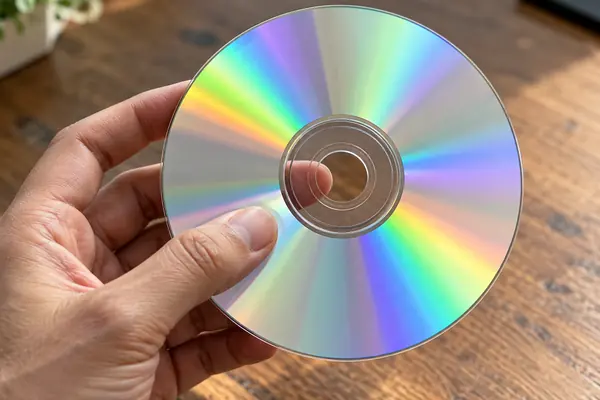
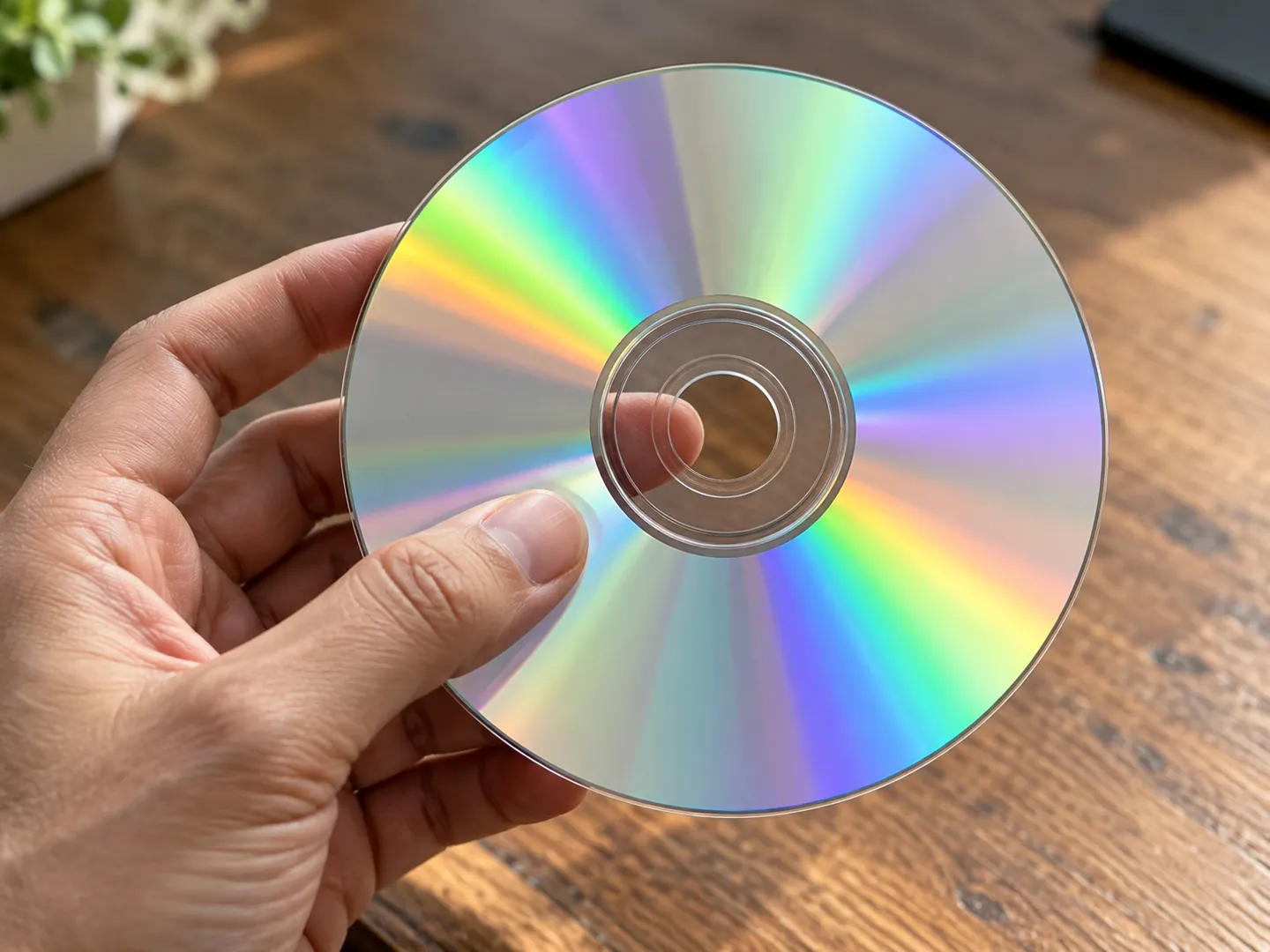
Life expectancies for recordable CDs come from accelerated ageing tests and should be treated with caution, says The National Archives. Rewritable CD-RW is not recommended for archiving.
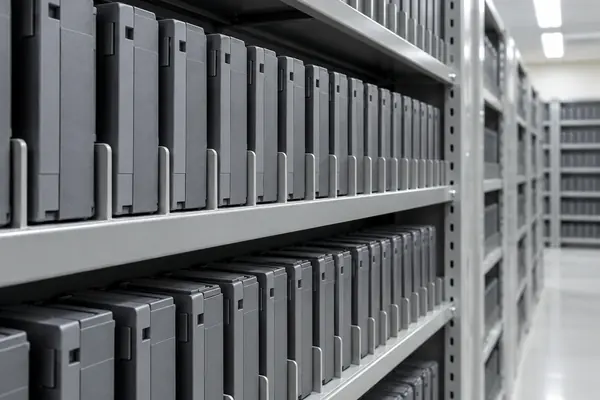
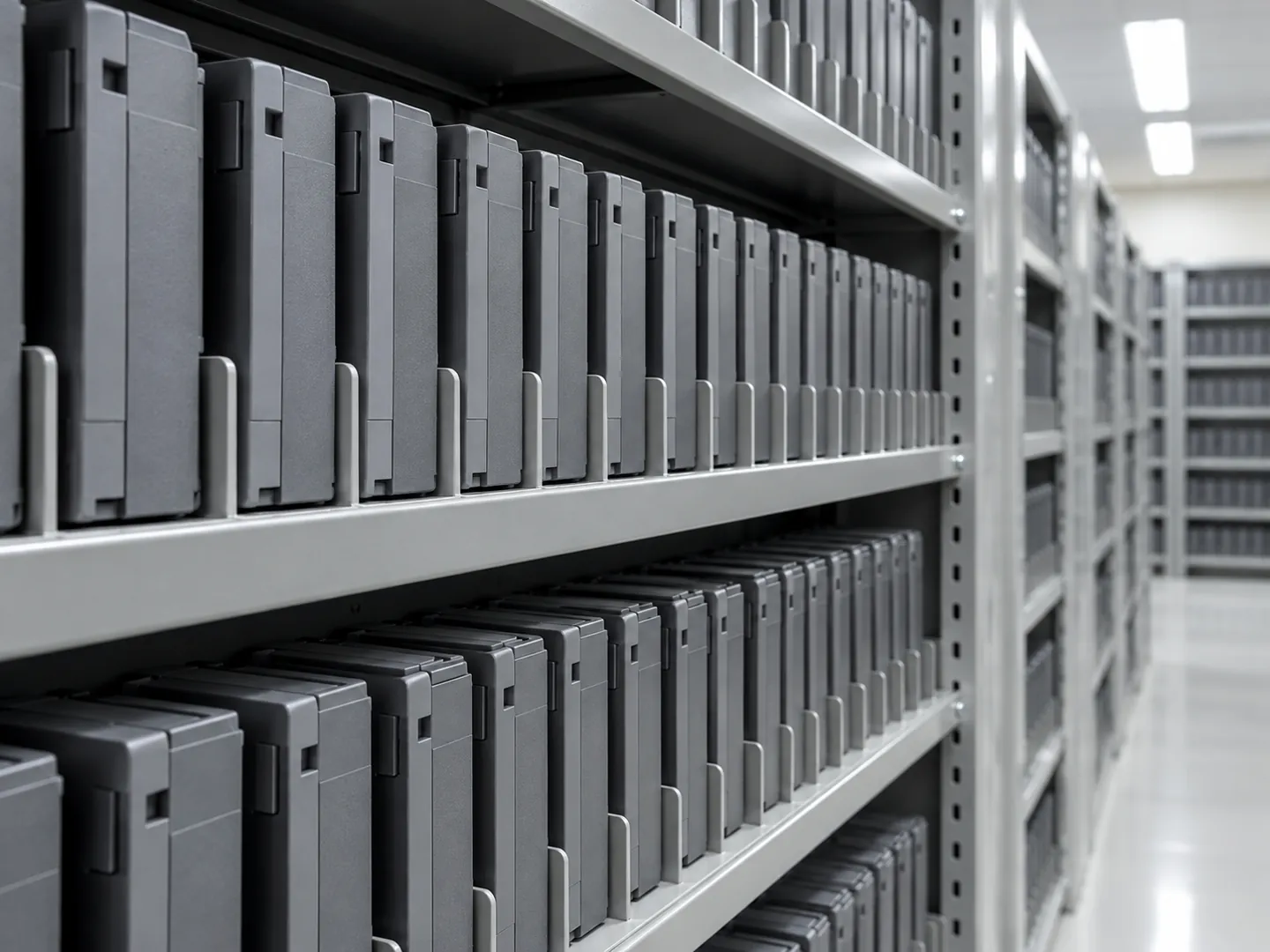
Archive tape stored and handled properly should last more than 30 years. Memory sticks and cards, by contrast, are for moving files and very temporary storage only.
The National Archives scored common media from 1 to 3 on six criteria, for a total out of 18. It advises against any medium scoring under 12. The bar shows the total.
Scores from The National Archives' example Media Selection Scorecard (Digital Preservation Guidance Note 2, 2008). Its CD-R score is for gold/phthalocyanine discs.
TWO NUMBERS WORTH KNOWING
Drives rarely fail, but they do fail.
One figure from a fleet of real drives, one from archive guidance.
1.36%
Annualised failure rate across a data centre fleet
A cloud storage company that monitors its drives reported an annualised failure rate of 1.36% in 2025, down from 1.55% in 2024. Some individual models ran far higher in some quarters.
344,196 HARD DRIVES · BACKBLAZE 2025
3–5 years
Typical life of storage media and systems
The Digital Preservation Coalition says the lifetime of storage media and systems is typically short, so data needs moving onto new storage before it is at risk.
STORAGE LIFETIME · DPC
The DPC adds that manufacturer reliability figures are usually based on models and simulations, not long-term observation, and field studies suggest they can be over-optimistic.
FOUR HABITS FROM THE ARCHIVES
Look after the media, and the copies.
These steps come from The National Archives' guidance on caring for removable media and the Digital Preservation Coalition's storage principles.
Keep copies apart
Make at least two complete copies that are not in the same place, with one offline. Using different kinds of media for each copy spreads the risk.
Store cool, dry, upright
For long-term storage of discs and memory cards, the guidance gives 18–22°C and 35–45% relative humidity, out of sunlight. Store media vertically in proper cases.
Handle by the edges
Hold discs by the edge or centre hole and never stick labels on them; mark the top with a soft, water-based pen. Do not touch the gold contacts on cards.
Check, then move on
Check stored media regularly, ideally every six months, and test that a sample still reads. Copy files to newer media before the old kind becomes hard to read.
AI-generated image, not a photograph of a real person or place.
WHY THE READER MATTERS TOO
A disc you can't play is a disc you've lost.
AI-generated image, not a photograph of a real person or place.
The National Archives says a proven life span of 10 years is enough, because over longer periods the drives needed to read a medium usually go out of date before the medium itself wears out.
Floppy disks show how quickly that happens: all types are now obsolete, with life spans often under five years. That is why archives now take files off loose discs and drives and keep them in managed storage with several checked copies.
Questions
Questions people ask
Which storage medium lasts longest?
In The National Archives' example scorecard, high-capacity data tape (LTO) scored highest, 17 out of 18, with a life span of more than 30 years if stored and handled properly. It is rarely practical at home.
Are memory sticks safe for keeping files?
Not on their own. The National Archives says flash memory should be used for moving files between devices and very temporary storage only, as it degrades with repeated use.
How long will a burned CD or DVD last?
There is no reliable single figure. Life expectancies are estimated from accelerated ageing tests and should be treated with caution. Gold CD-Rs with phthalocyanine dyes are thought the most stable.
How often do hard drives fail?
In one large fleet of 344,196 drives, the annualised failure rate was 1.36% in 2025. Rates vary by model and age, so the DPC advises planning for failures whatever the manufacturer says.
Is a backup the same as preserving files?
Not quite. The Digital Preservation Coalition says preservation also needs copies in different places, longer-term planning and regular checks that files have not changed or been lost.